If you've spent any time browsing calligraphy workbooks, you've noticed two very different worlds. On one side, there's modern calligraphy — the elegant, flowing scripts you see on wedding invitations and Instagram journals. On the other, there's comics lettering — bold, graphic, bursting with personality. Both are forms of hand lettering. Both require real skill. But they couldn't feel more different to practice.
This article isn't about declaring one style "better" than the other. It's about helping you figure out which calligraphy style fits your creative goals — and why you might want to learn both.
What Is Modern Calligraphy?
Modern calligraphy is the style most people picture when they hear the word "calligraphy." It's characterized by flowing, connected letterforms with elegant thick-thin contrast created by varying pressure on a brush pen or pointed nib. Think wedding envelopes, inspirational quotes in bullet journals, place cards at dinner parties.
Authors like Whitney Farnsworth (Pretty Simple Lettering), Paper Peony Press, and June & Lucy have popularized this style through bestselling workbooks. Their approach is accessible, beautiful and well-structured. If you've ever traced graceful loops and swashes on practice sheets, you've experienced modern calligraphy.
Modern calligraphy is ideal for:
- Wedding stationery and event invitations
- Bullet journaling and planner decoration
- Greeting cards and gift tags
- Inspirational quotes and wall art
- Mindful, meditative creative practice
What Is Comics Lettering?
Comics lettering is the art of creating bold, expressive display letters inspired by graphic novels, superhero titles and pop culture. It's geometric, dramatic and designed to grab attention. Sound effects like "BOOM" and "CRASH," chapter headings, poster titles — this is where comics lettering shines.
Where modern calligraphy flows smoothly from one letter to the next, comics lettering demands precision: consistent weight, sharp angles, deliberate spacing. Each letter is constructed rather than written. It's a completely different muscle, both mentally and physically.
Comics lettering is ideal for:
- Graphic design and poster art
- Comic book and manga projects
- Logo design and branding
- Social media graphics and thumbnails
- Fun, energetic creative expression
Side-by-Side Comparison
Let's break down the key differences between these two lettering styles:
Movement: Modern calligraphy is fluid and continuous. Your pen rarely leaves the page. Comics lettering is deliberate and constructed — each stroke is placed with intention.
Tools: Modern calligraphy typically uses brush pens or pointed nibs that create natural thick-thin variation through pressure. Comics lettering works with markers, fineliners or any pen that gives consistent, bold lines.
Mood: Modern calligraphy feels intimate, romantic, sophisticated. Comics lettering feels energetic, playful, powerful. One whispers; the other shouts.
Learning curve: Modern calligraphy requires mastering pressure control and letter connections. Comics lettering requires understanding geometric construction and maintaining consistent proportions. Both take practice, but they challenge different skills.
Which Style Suits You?
Ask yourself these questions:
- What will you use your lettering for? If you want to address wedding invitations and decorate journals, modern calligraphy is your starting point. If you want to create posters, design logos, or make your own comics, start with comics lettering.
- What kind of practice energizes you? If you love slow, meditative repetition — the zen of perfecting a single beautiful letter — modern calligraphy will feel like home. If you prefer bold experimentation and want immediate visual impact, comics lettering will keep you engaged.
- What's your aesthetic? Look at the artwork and design you're naturally drawn to. Elegant minimalism? Modern calligraphy. Pop art and graphic novels? Comics lettering.
The Case for Learning Both
Here's what experienced letterers know: learning a contrasting style makes you better at both. Modern calligraphy teaches you sensitivity to pressure, rhythm and flow. Comics lettering teaches you structure, weight and spatial awareness. Together, they give you a complete understanding of how letterforms work.
If you've already mastered modern calligraphy basics through workbooks by Whitney Farnsworth, Paper Peony Press or June & Lucy, comics lettering is the most exciting next challenge you can take on. It will stretch your abilities in directions you never expected, and the contrast with your existing skills will deepen your appreciation for both styles.
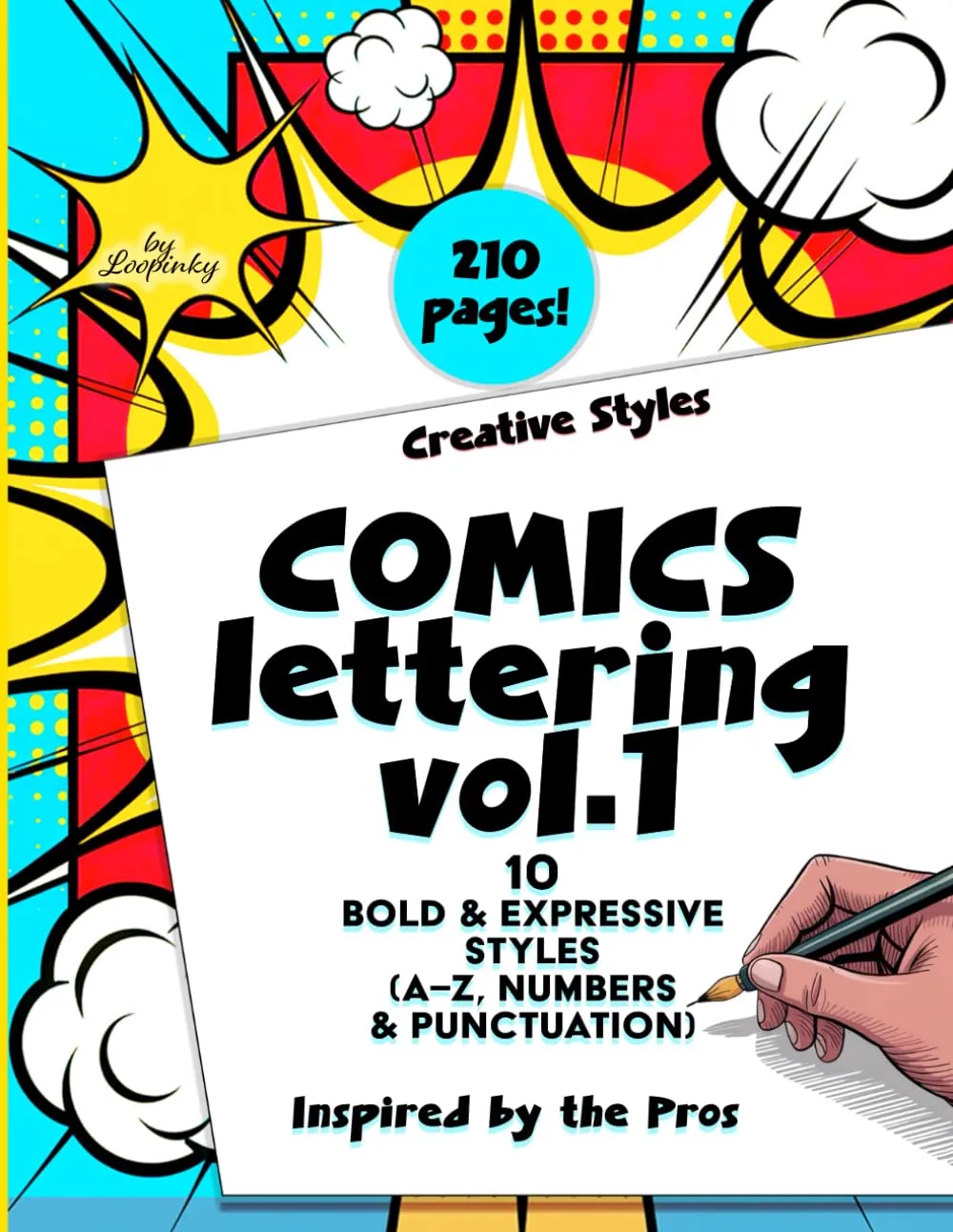
Comics Lettering Vol.1
10 bold styles, complete A-Z alphabets, numbers & punctuation. 210 pages of guided exercises to master comics-style hand lettering.
Buy on Amazon - $14.99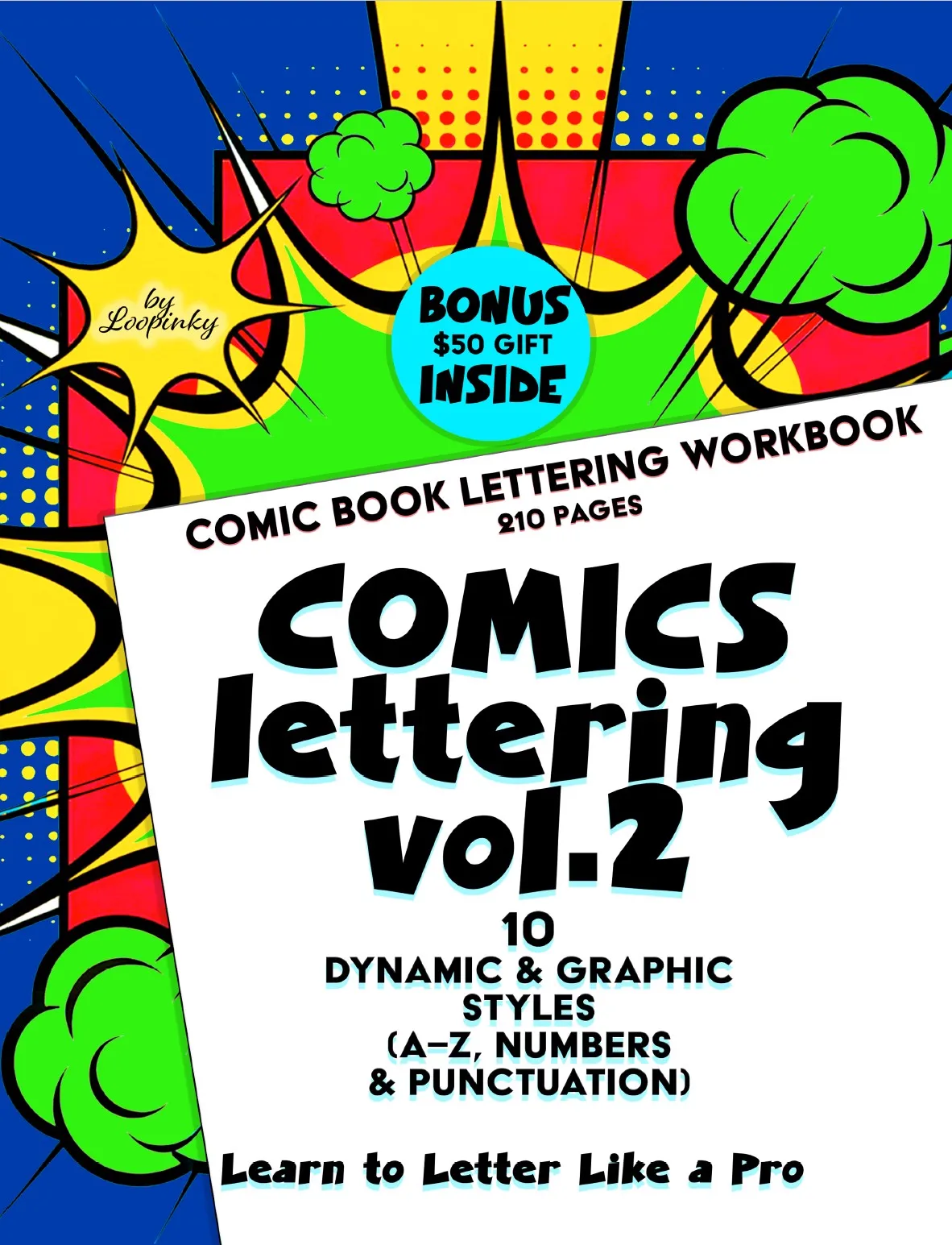
Comics Lettering Vol.2
10 new bold styles to expand your comics lettering repertoire. 210 pages of structured practice with complete alphabets.
Buy on Amazon - $14.99Don't Forget the Elegant Side
If you're coming from the comics world and want to explore flowing, elegant scripts, premium calligraphy workbooks offer a structured path into that universe. The skills transfer both ways — the precision you've built through comics lettering will make your calligraphy cleaner and more controlled.
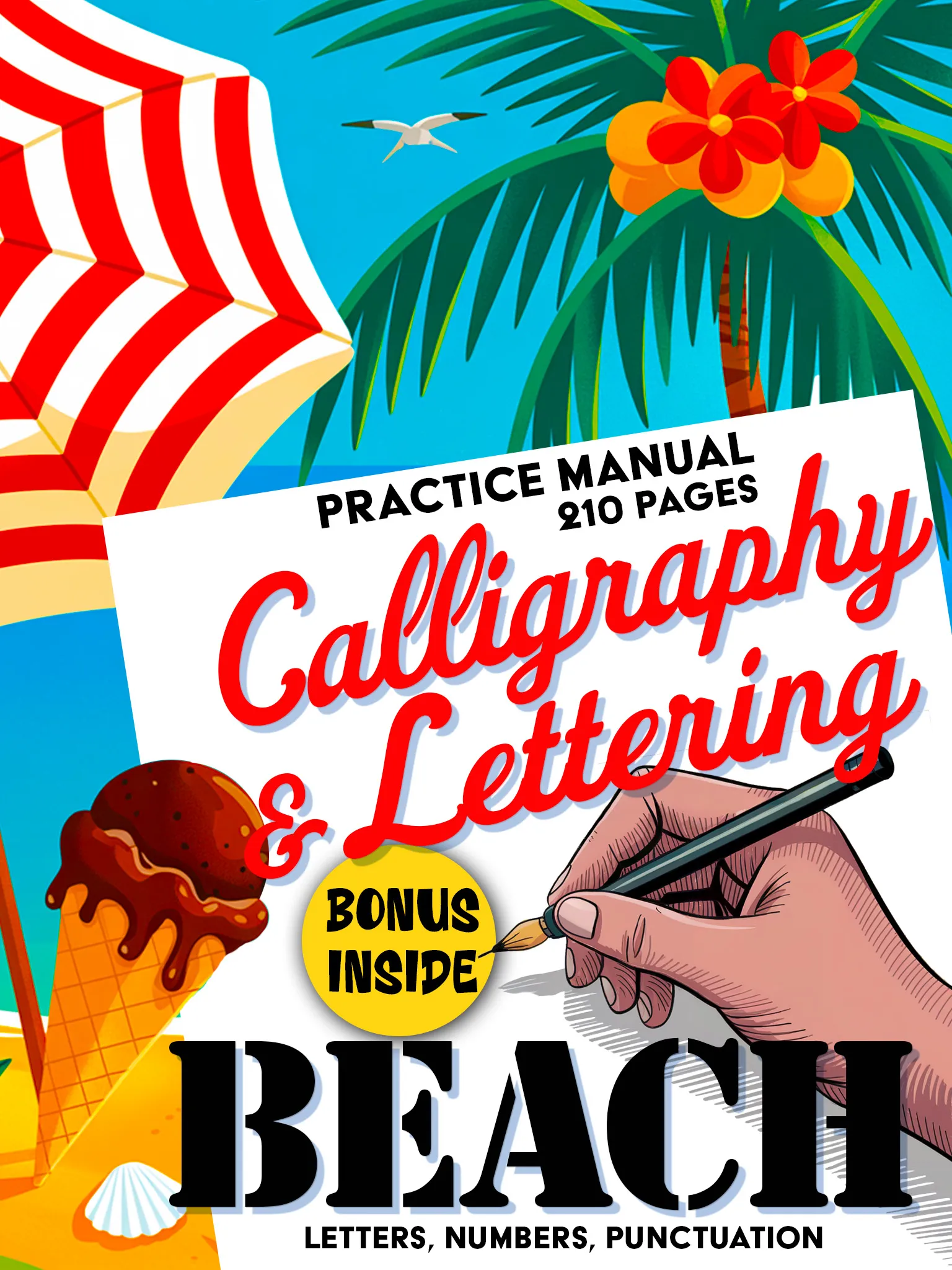
Calligraphy & Lettering: Beach Premium
Premium 210-page calligraphy manual. Fluid scripts, decorative elements and creative layouts.
Buy on Amazon - $14.99Final Thoughts
Modern calligraphy and comics lettering aren't rivals — they're two sides of the same creative coin. One isn't more "legitimate" than the other. Wedding calligraphy requires just as much skill as a perfectly constructed superhero title, and a fun comics alphabet takes just as much practice as an elegant script.
The real question isn't "which is better?" It's "which excites you right now?" Start there. Master it. Then add the other style to your repertoire. The letterers who can do both are the ones who never run out of creative possibilities.
You don't have to choose between elegance and energy. The best lettering artists master both — and the journey from one style to the other is where the real creative growth happens.