Tattoo lettering is one of the most requested tattoo categories worldwide. From a single meaningful word on the wrist to an elaborate quote spanning the entire ribcage, lettering tattoos carry deep personal significance. The style of the letters matters just as much as the words themselves, because the typography communicates mood, identity, and culture before anyone even reads the message.
Whether you are planning your first tattoo, designing lettering for a client, or simply fascinated by the art of typographic ink, this guide explores the most popular tattoo lettering styles, explains what makes each one unique, and shows you how practicing hand lettering on paper can help you create better tattoo designs.
Why Tattoo Lettering Matters
A lettering tattoo is permanent. Unlike a poster or a social media graphic, there is no undo button. That is why choosing the right lettering style is critical. The same word written in elegant script feels completely different from the same word rendered in gothic blackletter or bold chicano style. The lettering style becomes part of the message.
Understanding different tattoo lettering styles gives you the vocabulary to communicate with your tattoo artist, to design your own concepts on paper, and to ensure that your tattoo reflects exactly the mood and personality you envision.
The Most Popular Tattoo Lettering Styles
Script / Cursive
Script lettering is the most popular tattoo lettering style and for good reason. Flowing, connected letters with elegant curves and varying stroke widths create a timeless, sophisticated look. Script tattoos range from delicate fine-line styles to bold, dramatic flourishes. They are perfect for names, quotes, and meaningful phrases. The key to great script lettering is smooth, confident curves and consistent spacing between letters. Popular variations include copperplate-inspired scripts, modern calligraphy styles, and brush script.
Gothic / Blackletter / Old English
Gothic lettering, also known as blackletter or Old English, is one of the most iconic tattoo styles. Characterized by thick vertical strokes, angular shapes, and dramatic contrast between thick and thin lines, this style carries a sense of tradition, authority, and strength. Gothic lettering is popular for single words, names, and short phrases that demand attention. The style traces its origins to medieval European manuscripts and has been adopted by tattoo culture worldwide.
Chicano Lettering
Chicano lettering emerged from Mexican-American culture and the Chicano art movement. This style features highly ornamental, flowing scripts with dramatic flourishes, shading, and often a slight italic slant. Chicano lettering is frequently combined with imagery like roses, religious symbols, and portrait work. The letters are meticulously crafted with fine lines and intricate details. This style requires exceptional control and precision, making it one of the most technically demanding tattoo lettering forms.
Traditional / Sailor Jerry Style
Traditional tattoo lettering, associated with the classic American tattoo tradition of artists like Sailor Jerry, features bold, clean block letters with thick outlines and minimal serifs. The style is straightforward, readable, and designed to age well on skin. Banners and ribbons are commonly used as frames for the text. This style works beautifully for short, punchy words and phrases.
Typewriter / Minimalist
The typewriter style has surged in popularity in recent years. Clean, monospaced letters that mimic the look of a vintage typewriter create a modern, minimalist aesthetic. This style works exceptionally well for longer quotes and literary references. The appeal lies in its simplicity and readability. Fine-line typewriter tattoos are particularly popular on the forearm, collarbone, and ribcage.
Graffiti / Street Style
Graffiti-inspired tattoo lettering brings street art energy to skin. Wild, dynamic letters with sharp angles, arrows, drips, and dimensional effects create an urban, rebellious aesthetic. This style is perfect for names, nicknames, and statements that demand a bold, countercultural vibe. Graffiti lettering tattoos often incorporate color and background elements.
Tribal Lettering
Tribal lettering adapts traditional tribal tattoo patterns into letter shapes. Bold, black, geometric forms with pointed edges and flowing curves create letters that feel ancient and powerful. This style is most effective for short words and initials, as complex sentences become difficult to read in tribal form.
How to Design Your Tattoo Lettering
Even if you are not a tattoo artist, practicing lettering on paper is the best way to develop your design before committing to ink. Here is the process:
- Choose your words carefully: think about what you want your tattoo to say. Less is often more. Consider how the words will look at the size and placement you have in mind.
- Select a style: match the lettering style to the mood of your message. A memorial tattoo might call for elegant script, while a statement of strength might suit gothic blackletter.
- Sketch on paper first: use pencil to sketch out different versions. Try several styles and variations. This is where hand lettering practice becomes invaluable.
- Refine the details: adjust letter spacing, stroke width, and flourishes. Pay attention to how the letters flow together as a complete composition.
- Consider the body placement: letters need to follow the natural curves of the body. A design that looks great flat on paper may need adjustments for a forearm, shoulder, or ribcage.
- Work with your tattoo artist: bring your paper sketches to your consultation. A good tattoo artist will refine your concept for optimal results on skin.
Why Hand Lettering Practice Improves Tattoo Design
The skills you develop through hand lettering practice transfer directly to tattoo design. When you practice letterforms on paper, you learn to control curves, manage spacing, maintain consistent stroke widths, and create harmonious compositions. These are exactly the skills needed to design lettering that works as a tattoo.
Lettering workbooks are particularly valuable because they provide structured exercises that build muscle memory and train your eye for proportion and balance. Even if you never pick up a tattoo machine, the ability to sketch beautiful lettering on paper gives you the power to communicate your vision clearly to your tattoo artist.
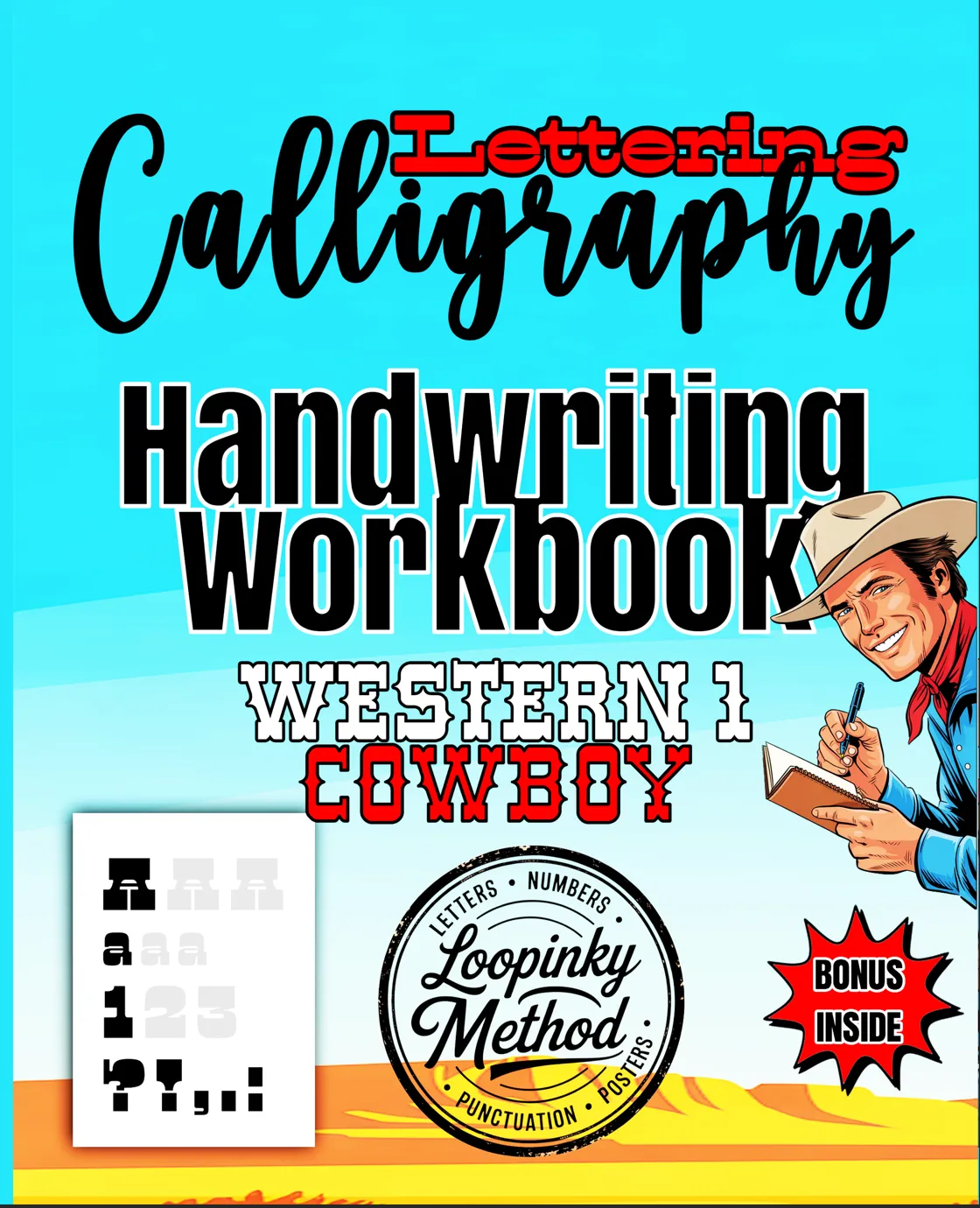
Western Cowboy Calligraphy
Bold western-style lettering perfect for practicing tattoo-inspired script and decorative alphabets. 108 pages of guided exercises.
Buy on Amazon - $9.99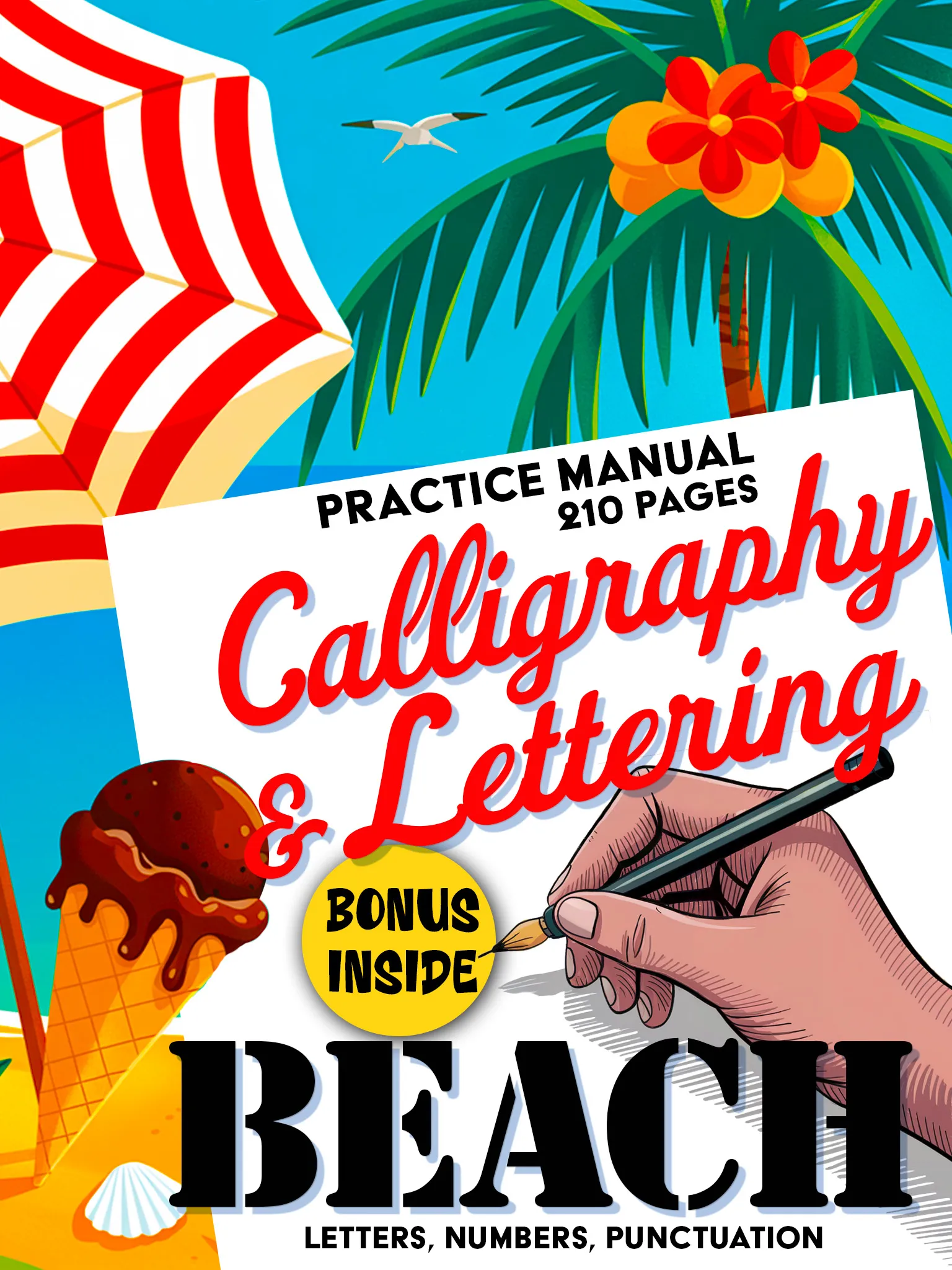
Beach Premium Calligraphy
Elegant flowing scripts and creative lettering styles ideal for developing the smooth curves essential to tattoo script design. 210 pages.
Buy on Amazon - $14.99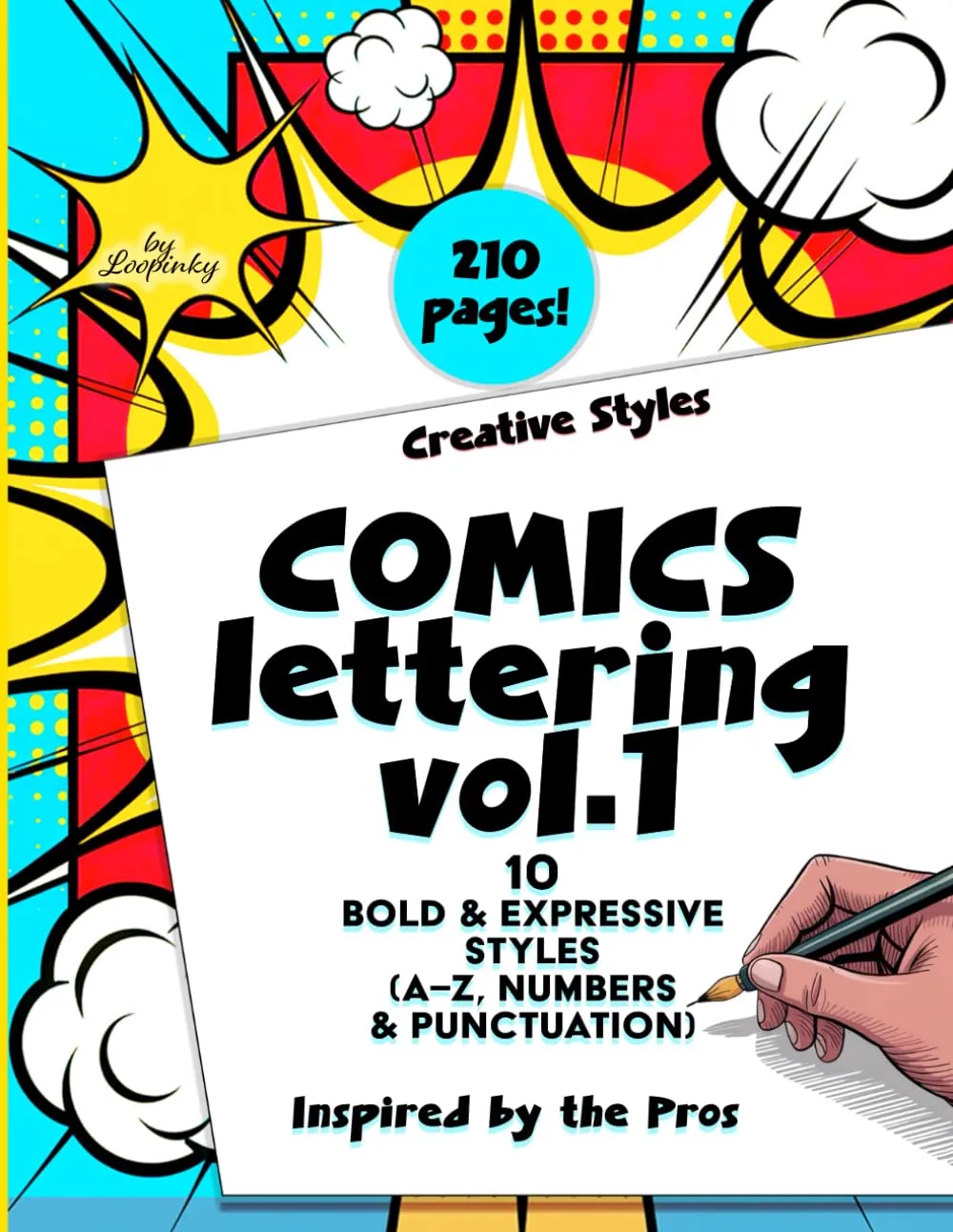
Comics Lettering Vol.1
10 bold, expressive lettering styles that build the fundamental skills needed for tattoo lettering design. Complete A-Z alphabets. 210 pages.
Buy on Amazon - $14.99Tattoo Lettering Tips and Best Practices
- Readability first: a beautiful font that nobody can read defeats the purpose. Ensure your chosen style is legible at the size you plan to tattoo.
- Think about aging: tattoos spread and fade over time. Fine, delicate letters may blur together after a few years. Bolder styles with adequate spacing tend to age better.
- Spell check everything: this sounds obvious, but misspelled tattoos are more common than you think. Triple-check your text, especially if it is in a foreign language.
- Size matters: very small lettering loses detail over time. Work with your tattoo artist to find the minimum size that will maintain clarity for decades.
- Placement affects style: curved body areas (ribs, shoulders, biceps) work better with flowing script, while flat areas (forearm, calf) can accommodate more structured styles like gothic or typewriter.
- Get a custom design: avoid generic fonts from a computer. The best tattoo lettering is custom-drawn, either by you or your artist, to fit your body and your story.
From Paper to Permanent
The journey from an idea to a finished tattoo starts with pencil and paper. Before any needle touches skin, the lettering needs to be designed, refined, and perfected on paper. This is why hand lettering practice is so valuable for anyone interested in tattoo culture, whether as a wearer, a designer, or an artist.
Every great tattoo lettering design started as a sketch. The more you practice lettering on paper, the more confident and creative your designs become, whether they end up on skin, on a poster, or in a personal journal.
Ready to develop your lettering skills? Browse the Loopinky calligraphy and lettering collection and find the perfect workbook to practice the styles that inspire you.